




Checkout using your account
Checkout as a new customer
Creating an account has many benefits:
- See order and shipping status
- Track order history
- Check out faster
Checkout using your account
Checkout as a new customer
Creating an account has many benefits:
It’s easy to get so caught up in choosing wallpapers, picking furniture and selecting skirting that you don’t consider lighting in a new build or renovation until the last minute. Wrapping your head around the nuances of light fixtures, understanding their proper placement and crafting a lighting plan to fit a room’s mood can be a daunting process - But Lightplan are here to take the burden off your shoulders.
Whatever your construction or renovation project, our expert lighting designers are here to help you choose the right lighting for every room and the right fixture for every purpose.
There’s no one-size-fits-all approach, but considerations can be made based on the room you’re planning for.
From unwinding after a long day’s work to entertaining guests, the living room is the centrepiece of any home. To achieve the perfect lighting for this versatile space, we focus on creating an inviting atmosphere using:
.
.
While dining rooms are for spaces for relaxation and entertainment, their functional purpose adds an extra layer of complexity to lighting design. Our team's light planning accounts for this by:
Creating a well-thought-out lighting plan for a bathroom involves more than just choosing fixtures: it’s a balancing act of functionality, safety and aesthetics working in tandem to create an inviting yet practical space. Lightplan strikes this balance by:
.
.
The bedroom is a unique space, not only because it’s dedicated to helping us unwind but also because we spend a significant portion of our lives there - about a third, in fact! Creating an ambience conducive to relaxation and sleep is therefore essential, and Lightplan achieves this by:
The hallway is the gateway to your home, setting the first impressions for guests and establishing the tone for the rest of your space. Thoughtfully planned lighting can transform these transitional areas, making them stylish, inviting and functional all at the same time:
.
.
Whether you’re focusing on pathways, driveways, gardens or porches, a well-thought out lighting plan can significantly improve the curb appeal of your property. Informed by dozens of lighting projects, Lightplan makes the most of your outdoors by:
We might be called Lightplan, but our services go far beyond the planning stage.
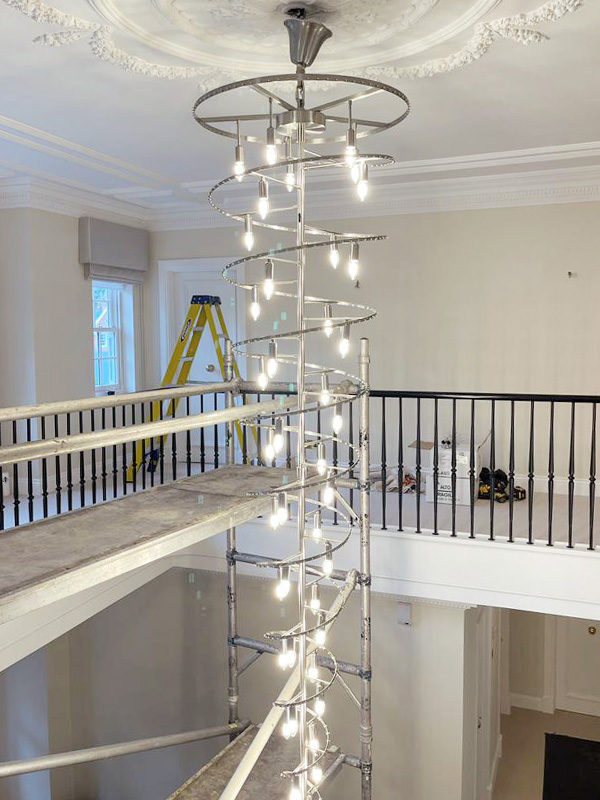
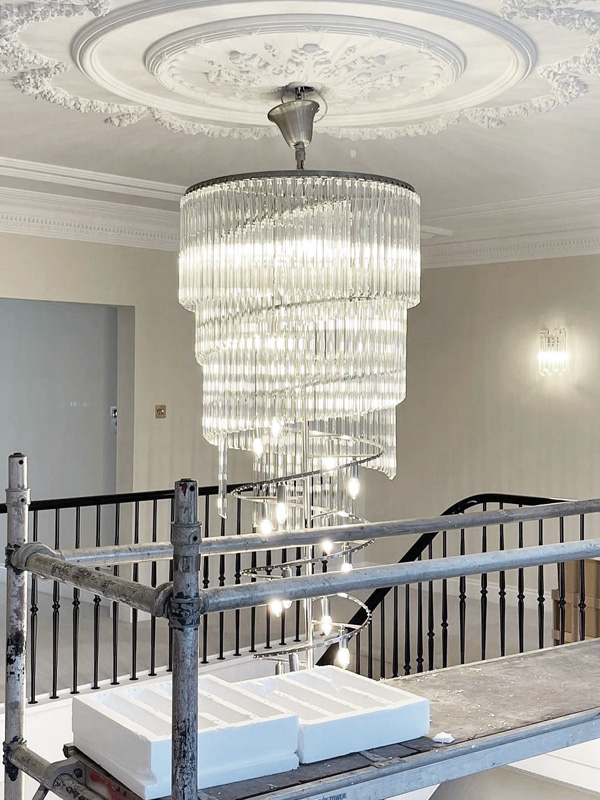
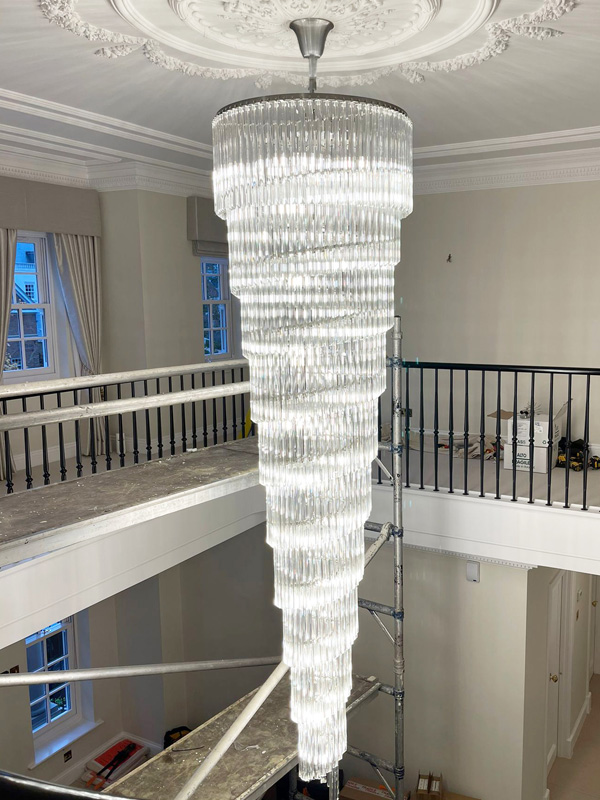
To ensure a seamless installation process, we’re more than happy to locate and recommend a qualified electrician in your area with experience in lighting installations.
Already have somebody on hand? Your Lightplan designer would be more than happy to turn up on the day of the installation to provide guidance and discuss the finer details with your electrician - it’d be a shame if something was lost in translation!
Once the electrician has done their part and signed off on the installation, your designer will conduct a final inspection to verify the lighting has been installed according to specification.
Whether you are just putting together some ideas, need a professional eye to look over your existing design or have a crystal-clear vision you want to bring to life, we're here to help. Our free site visits and flexibility ensures that we can work with whatever floor plans or schematics you have to hand. Get started today by getting in touch at 0208 342 7009 or projects@lightplan.co.uk, or complete our Contact Form to arrange a call back.