


Architectural Lighting
Architectural Lighting
Light that disappears into your home. Concealed LED tape, aluminium profiles, trimless downlights and recessed track — designed and specified so the light source is invisible and the effect is everything. We produce the plan, specify every product, and supply everything your electrician needs.
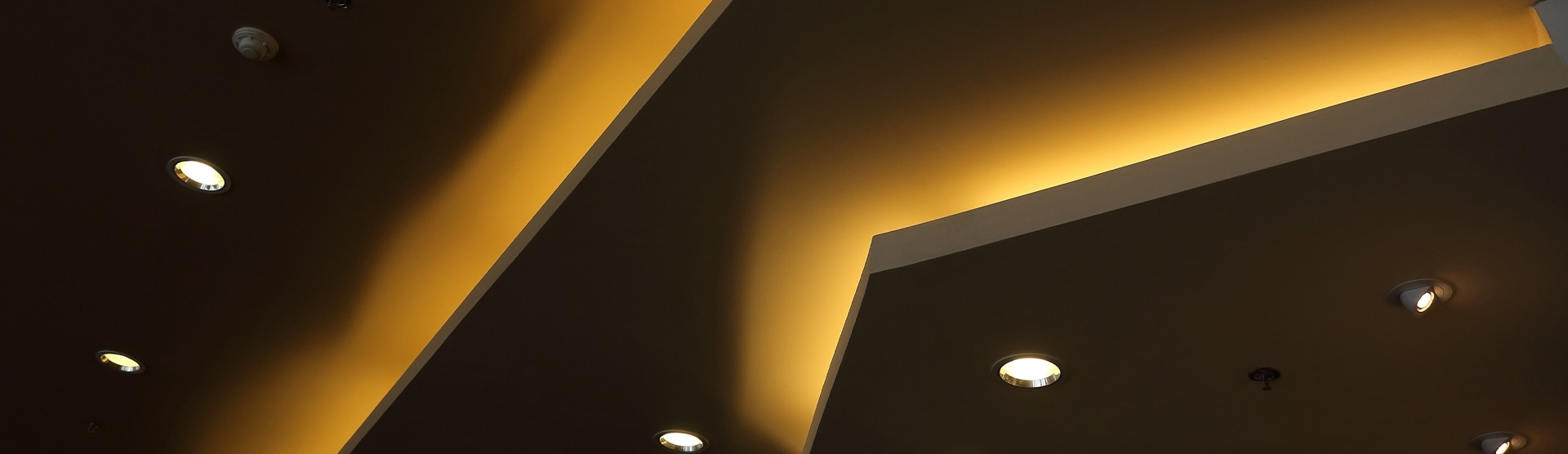
Light designed into the fabric of your home. Not placed on it.
Architectural lighting integrates light sources into the building itself — concealed inside aluminium profiles, set flush with plaster, or recessed so cleanly into the ceiling that you never see the fitting at all. It requires a lighting plan, the right products, and an electrician who knows how to build it. The result is a home that feels entirely different — even though you can't see why.
Hidden Light Sources
LED tape inside aluminium profiles, plaster-in downlights, flush-fit recessed track. The fitting disappears into the architecture. Only the light — and the effect it creates — remains visible.
Planned and Specified
Every fitting, every circuit, every driver. A full lighting plan and product schedule that tells your electrician exactly what to order, where it goes, and how to wire it — before a single hole is cut.
Installed with Precision
Architectural lighting design requires careful coordination between plasterers, joiners and electricians. These aren't products you order online and fit yourself. Get the specification right once. It will last for decades.
What is Architectural Lighting?
Three distinct product systems. One lighting plan that brings them together.
Made to Measure LED Strip Lighting
High-CRI LED tape in IP20, IP44 and IP68. Specified by the metre for your exact run lengths. Used for cove lighting, under-cabinet, joinery recesses, stair reveals and wet areas. Dim-to-warm and tunable white or RGB options available.
Explore LED StripLED Profile & Extrusion Lighting
Aluminium profiles for surface-mounted, recessed, corner and cove applications. The profile houses the LED tape, diffuses the light, and integrates cleanly into plaster, joinery or ceiling voids. Creates a seamless continuous linear effect.
Explore LED ProfilesPlaster In Downlights
Trimless plaster-in downlights, flush-fit adjustable spots, ultra-low glare wallwashers and IP65-rated shower downlights. Set flush with the ceiling surface so there is no visible bezel — just light emerging cleanly from plaster - This simply demonstrates a well thought out lighting design.
Explore DownlightsLighting Plans & Specification
A detailed lighting layout showing every fitting, zone and circuit. A complete product schedule with codes, drivers and dimming protocols — written so your electrician can build it without calling us once. Included with all project orders.
Talk to Our Team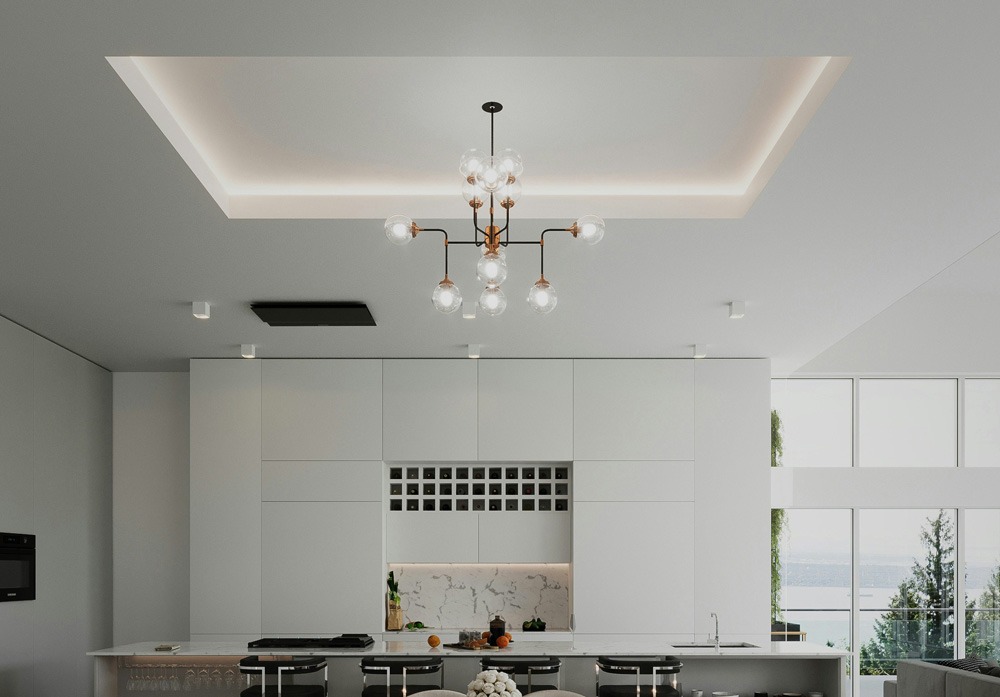


From Brief to Installation
We handle the technical complexity so your electrician can build it right first time.
Consultation
We always start with a lighting consultation, either at your site, or virtually to understand the brief, the architecture, and what you're hoping to achieve. We'll walk the spaces with you, discuss existing constraints, and agree on the scope of the lighting plan.
Lighting Plan
We produce detailed lighting layouts — every fitting position, zone and circuit clearly marked on your floor plan. Clear enough for any electrician or project manager to follow without interpretation.
Specification
A complete product schedule with product codes, driver types, dimming protocols and installation notes. We handle the technical detail — IP ratings, CRI selection, dimming compatibility — so you don't have to.
Supply
All products sourced and supplied through Lightplan, timed to your project programme. No hunting across multiple suppliers. No substitutions that compromise the design. Delivered when your electrician needs them.
Aftercare
Commissioning support, driver and dimmer compatibility advice, and ongoing aftercare from our team. If something isn't behaving as it should on site, we'll diagnose it. Long after installation.
Why Specify with Lightplan
We manage design, specification and supply. Nobody else in this market does all three.
Visit Our Showrooms
See architectural lighting products working in real conditions before you specify. Our showrooms have working installations of LED profiles, recessed downlights and strip systems.
Design and Supply Together
We produce the plan and supply every product on it. One contact, one schedule, one delivery. No gap where things get lost in translation - taking the stress out of the process.
Electrician-Ready
We work with your electrician or one of our recommended electricians to ensure the project is managed as per the design plan and the project schedule.
Unbiased Product Selection
We specify from multiple premium manufacturers and recommend what's right for the project. If a product from a different supplier is the correct solution, we'll tell you.
Common Questions
What is architectural lighting?
Architectural lighting is the integration of light sources into the structure of a building rather than adding decorative fittings to a finished room. It typically uses LED tape concealed inside aluminium extrusion profiles, trimless downlights set flush with the plaster ceiling, or recessed track systems hidden inside ceiling voids. The goal is to make the light source invisible — so attention falls on the spaces and surfaces being lit, not on the fittings themselves.
What is a plaster-in or trimless downlight?
A standard recessed downlight sits inside a visible bezel or trim ring that sits proud of or flush with the ceiling. A plaster-in (or trimless) downlight is designed to be set into the ceiling void before plastering, so the plasterer can skim directly up to and over the housing — leaving only the aperture visible. The result is a downlight that appears as a clean hole in the plaster with no visible frame. They require more careful installation coordination but the visual result is significantly cleaner.
What is LED profile lighting and what is it used for?
An LED profile (also called an LED extrusion or LED channel) is an aluminium housing into which LED tape is installed. The profile serves two purposes: it dissipates heat to extend the life of the LED tape, and it shapes and diffuses the light output. Profiles are available in recessed, surface-mounted, corner and cove configurations — and are used wherever you want a continuous linear line of light. Common applications include cove lighting in ceiling recesses, under-cabinet lighting in kitchens, shelf and joinery lighting, staircase handrails, and bathroom mirror surrounds.
What is cove lighting?
Cove lighting is concealed linear lighting installed inside an architectural recess — typically a cove, ledge or shadow gap built into the ceiling perimeter or above a bulkhead. LED tape inside an aluminium profile is installed facing upward or outward, so the light washes the ceiling without the source ever being visible. The effect is a soft, diffused ambient glow that makes a room feel significantly taller and more considered. It requires a cove to be built during first fix (before plastering), which is why a lighting plan at the design stage is essential.
Do I need a lighting plan for architectural lighting?
Yes — in most cases, architectural lighting cannot be added retrospectively without significant disruption. Plaster-in downlights, cove lighting, recessed profiles and recessed track all need to be built in before the room is plastered and finished. A lighting plan produced before first fix ensures your electrician, plasterer and joiner all know what they're building — and that every fitting, driver and circuit is in the right place before walls go up. It is significantly cheaper to invest in a lighting plan than to cut finished ceilings open after the fact.
Can LED strip lighting be used in a bathroom or shower?
Yes, provided the correct IP-rated product is specified. LED tape is rated by its ingress protection (IP) rating — IP20 is suitable for dry areas only, IP44 for humid environments such as bathrooms, and IP65 or above for areas with direct water contact such as shower niches and wet rooms. The aluminium profile housing the tape also needs to be rated appropriately. We specify the correct IP rating for every location on your lighting plan as standard.
What CRI should I specify for residential lighting?
CRI (Colour Rendering Index) measures how accurately a light source renders colours compared to natural daylight, on a scale of 0 to 100. For residential architectural lighting, we recommend a minimum of CRI 90. Below CRI 90, subtle colours — particularly in soft furnishings, artwork and natural materials — can appear muted or slightly off. CRI 95+ produces a noticeably more natural, flattering result and is worth specifying wherever budget allows. We only recommend CRI 90+ products for residential projects.
What is the difference between dim-to-warm and tunable white LED tape?
Dim-to-warm LED tape shifts its colour temperature as it dims — mimicking the behaviour of a traditional incandescent or halogen lamp, which glows warmer as it dims. Typically shifting from around 3000K at full output to 1800K when dimmed low, it creates a naturally warm, intimate atmosphere in the evening. Tunable white (also called CCT adjustable) LED tape uses two separate LED channels to allow the colour temperature to be set independently of the brightness level — so you can have bright, cool light for tasks and warm, low light for evenings, from the same product. Both require a compatible DALI or 2-channel driver.
How do I dim LED strip lighting?
LED tape is dimmed via its driver — the power supply that converts mains voltage to the low voltage (typically 12V or 24V) the tape requires. The driver must be compatible with the dimming protocol used in your control system: TRIAC dimming works with most leading-edge and trailing-edge dimmers, DALI (Digital Addressable Lighting Interface) allows individual zone control and scene setting, and 0–10V dimming is common in commercial environments. Specifying the wrong driver for your dimmer is the most common cause of LED dimming problems — flickering, minimum brightness limits, and buzzing. Our lighting specification includes driver compatibility as standard.
Do I need a specialist electrician for architectural lighting?
You need an electrician who is comfortable working from a lighting specification and who understands LED driver installation, low-voltage systems, and DALI or smart lighting control if specified. Not all domestic electricians have this experience — particularly with trimless downlight installation (which requires tight coordination with the plasterer), LED tape in profiles, and multi-zone dimming systems. We're happy to recommend installers we've worked with, and our lighting schedule is written to be clear enough that a competent electrician can follow it without prior experience of the specific products.
Ready to Start Your Lighting Plan?
Whether you're renovating a single room or specifying a whole house, our team will produce a lighting plan and product schedule that gives your project a clear path from brief to installation. Come and see the products working in our showroom first.